

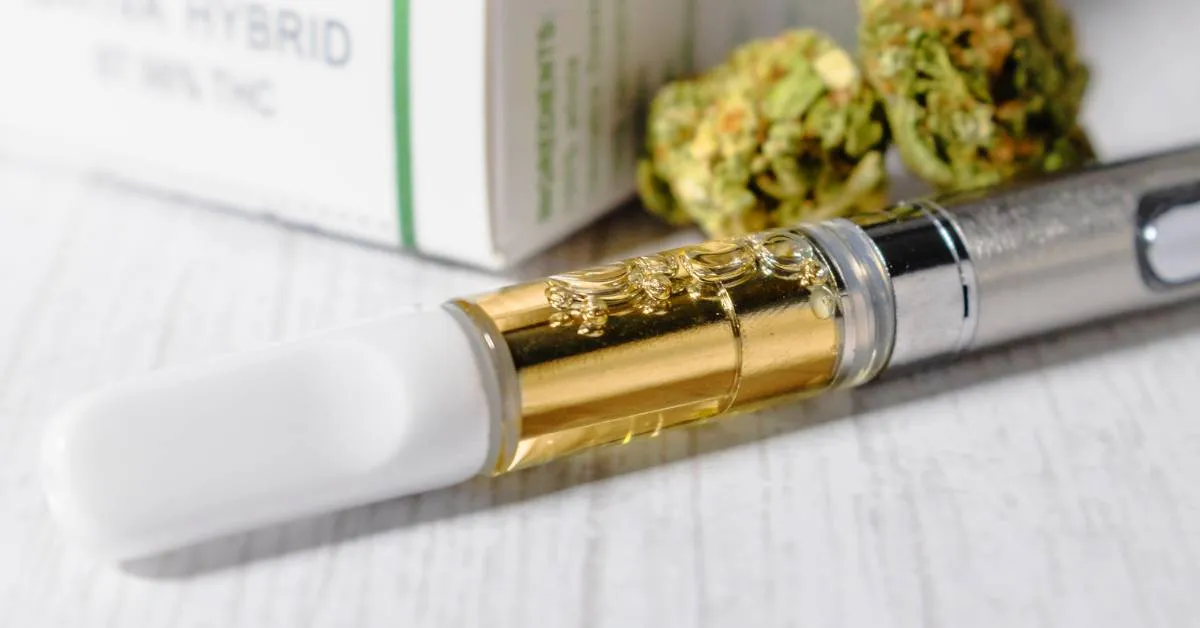
Vape products are among the highest-margin items in a cannabis retail case, and cannabis vape packaging is one of the most overlooked factors in protecting that margin. Leaking cartridges, cracked hardware, and damaged packaging erode customer trust fast, and in a category where repeat purchase is everything, one bad experience can cost you the relationship entirely.
The good news is that most vape packaging failures aren’t random. They’re predictable, and they’re preventable.
Why vape packaging fails
Vape cartridges are more fragile than they look. The combination of glass or plastic tanks, metal hardware, and liquid oil concentrate creates a product that’s sensitive to pressure, temperature, and impact in ways that most standard packaging isn’t designed to handle.
The most common failure points:
- Leaking happens when cartridges aren’t properly sealed or when packaging allows them to shift during transit. According to Vape-Jet and analytical partner N.N. Analytics, most vape cartridge failures come down to a mismatch between the oil formulation and the hardware, combined with inadequate sealing and improper storage orientation. Pressure changes during shipping can force oil past the coil seal if there’s no mechanism to keep the cartridge upright and stable.
- Breakage usually comes down to insufficient cushioning. A cartridge rattling around inside an oversized box, or stacked without dividers, is going to take damage. Even minor cosmetic cracks to the tank or mouthpiece can make a product unsellable.
- Mouthpiece contamination is an underrated issue. If packaging doesn’t fully cover or cap the mouthpiece, you’re exposing the contact point to dust, debris, and anything else the package encounters between fill and retail.
What good cannabis vape packaging actually does
Protective packaging isn’t just about foam inserts and bubble wrap. The right solution holds cartridges in a fixed position, accounts for the fragility of the hardware, and keeps the product in sellable condition from the time it’s filled to the time it’s opened by the customer.
A few things worth looking for:
- Individual cartridge slots or molded inserts keep hardware from moving during transit. This is especially important for multi-unit retail packs and bulk wholesale shipments where boxes are being stacked and jostled over long distances.
- Mouthpiece caps or tip covers are a simple add that makes a real difference. They protect the contact point, signal to the customer that the product is untouched, and give the packaging a more finished, premium feel at the shelf level.
- Child-resistant closures aren’t optional in most markets. CR compliance for vape packaging is now standard across regulated states, and the mechanism needs to work without compromising the structural integrity of the package itself.
Material choices matter more than you think
Cannabis vape cartridges should be stored vertically to prevent oil from settling into the coil. Blazy Susan’s technical documentation notes that horizontal storage causes oil to seep into the mouthpiece, which leads to clogs and leaks. Packaging that forces horizontal storage, or doesn’t stabilize the cartridge upright, is working against the product from the start.
Beyond orientation, the material your packaging is made from affects how well it holds up to the conditions your product actually travels through. Humidity, temperature swings, and compression during shipping all stress packaging in different ways. Thin-walled plastic trays crack. Flimsy paperboard collapses under stack weight. Rigid materials with a defined cartridge cavity hold their shape.
If you’re shipping across state lines or through third-party fulfillment, your packaging is going to be handled by people who don’t know or care what’s inside. It needs to be built for that reality.
Retail presentation is part of the equation too
Vape packaging does double duty. It has to protect the product in transit and sell it on the shelf. Those two jobs aren’t always easy to reconcile.
Brands that get this right tend to think about packaging as the first physical touchpoint with the customer. A cartridge that arrives intact, in packaging that looks intentional and premium, starts the customer relationship on solid ground. A leaking cartridge in a crushed box does the opposite.
Custom printing, window panels, and foil accents can all be layered onto protective structures without sacrificing function. The key is building protection in first, then working the brand presentation around it, not the other way around.
Compliance considerations for vape packaging
The cannabis vaporizer market was valued at $5.9 billion globally in 2024 and is projected to reach $13.06 billion by 2030, growing at a CAGR of 14.5%. That kind of growth draws regulatory attention, and packaging compliance is one of the first places regulators look.
Regulations around vape packaging vary by state, but a few requirements show up consistently across markets:
- Child-resistant packaging is mandatory in most regulated states and must meet ASTM D3475 standards. This standard requires that at least 85% of children in the test age range cannot open the package, while at least 90% of adults can open and properly re-close it. For vape products, this typically means CR closures on the outer packaging, not just the cartridge itself.
- Opaque or semi-opaque packaging requirements exist in several states to prevent products from being visible or appealing to minors. California’s Department of Cannabis Control requires all cannabis goods to be sold in child-resistant packaging, with additional requirements for vape cartridges including specific disposal labeling language. If you’re selling across multiple markets, it’s worth confirming your packaging design meets the most restrictive standard in your distribution footprint rather than customizing by state.
- Tamper-evidence is increasingly required or expected. Seals, shrink bands, or breakaway tabs give customers confidence that the product hasn’t been opened or compromised before purchase.
Getting it right from the start
Vape packaging decisions made early in a product launch are hard to undo. Switching packaging mid-production means retooling, reordering, and potentially pulling product from shelves if the current solution is causing damage or compliance issues.
It’s worth pressure-testing your packaging before you scale. Ship samples through your actual fulfillment process, not just across the room. Store them at temperature extremes. Stack them the way a warehouse would. If something’s going to fail, you want to find out before your customers do.
Green Rush Packaging carries a range of cannabis vape packaging options built for compliance, protection, and shelf presence. Browse child-resistant vape packaging now >
Frequently asked questions
What makes cannabis vape packaging different from other cannabis packaging?
Vape cartridges combine fragile hardware with liquid concentrate, making them more sensitive to impact, pressure, and temperature than most other cannabis products. Packaging needs to hold cartridges in a fixed, typically vertical position, protect the mouthpiece from contamination, and meet child-resistant requirements, all while functioning as retail-ready presentation packaging.
Do vape cartridges need child-resistant packaging?
In most regulated cannabis markets, yes. Child-resistant outer packaging for vape products is required in states including California, Colorado, Michigan, and others. The California Department of Cannabis Control specifies that all cannabis goods must be sold in child-resistant packaging that is also tamper-evident and resealable for multi-serve products. Requirements vary by state, so it’s worth confirming the specific rules in each market where you sell.
How do I prevent vape cartridges from leaking during shipping?
Keep cartridges upright during transit using molded inserts or individual slots that hold the hardware in a fixed position. Storing cartridges on their side allows oil to seep into the mouthpiece, leading to clogs and leaks. Packaging that stabilizes vertical orientation is one of the most effective ways to reduce leak-related returns.
What’s the best material for vape packaging?
It depends on your format and volume, but rigid materials with defined cartridge cavities outperform thin plastic trays or soft-walled paperboard for protection. For retail, many brands combine a rigid inner tray with a printed outer sleeve or box for shelf appeal. The inner structure does the protective work; the outer packaging does the branding.