

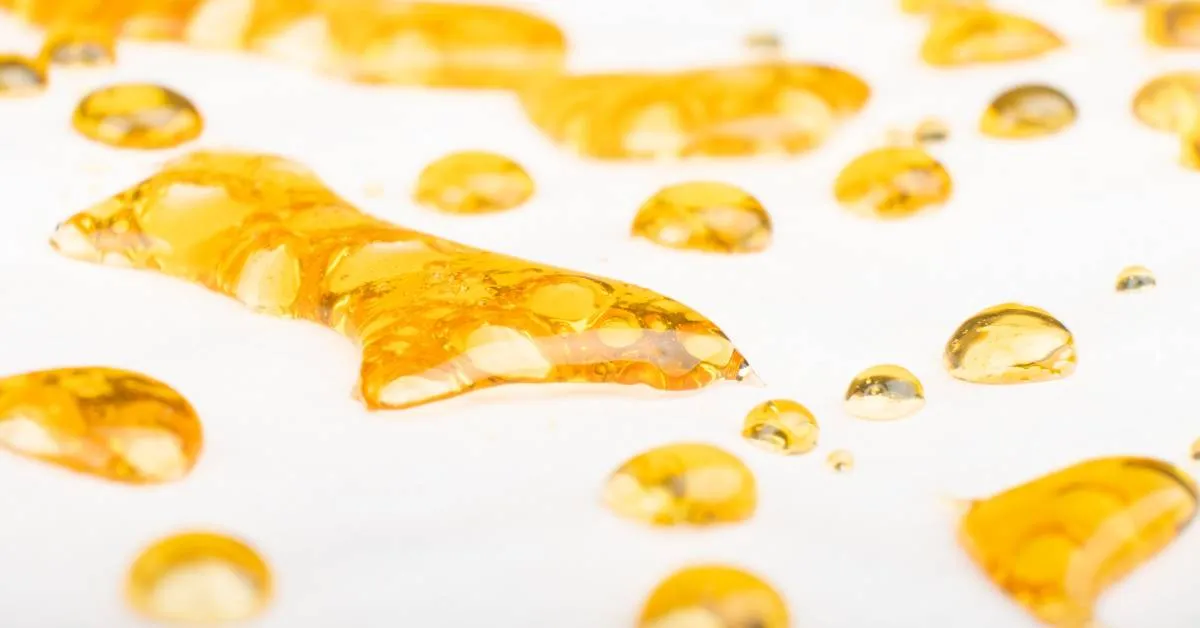
Cannabis concentrates need packaging that won’t stick, won’t absorb terpenes and holds up under real-world handling. Parchment paper with silicone coating has become the go-to solution for brands packaging shatter, wax, rosin and other extracts because it checks all three boxes.
For brands choosing concentrate packaging, understanding what makes quality silicone parchment paper different from kitchen-grade paper matters. The coating type, heat resistance and paper thickness all affect how well your product stays intact from packaging to consumer use.
Table of Contents:
- What makes parchment paper work for concentrates
- Types of parchment paper for concentrate packaging
- Why double-sided silicone coating matters
- Best practices for using parchment in concentrate packaging
- When parchment isn’t the right choice
- What brands should prioritize
- Keeping it simple
- Frequently asked questions about silicone parchment paper
What makes parchment paper work for concentrates
Standard parchment paper is cellulose-based paper coated with a thin layer of silicone to create a non-stick surface. That silicone coating prevents sticky concentrates from adhering to the paper and makes collection easy after extraction or pressing.
Heat resistance is another factor. Quality parchment needs to be heat-resistant and silicone-coated to handle rosin extraction temperatures without tearing or degrading. This is critical during rosin extraction when heat and pressure are applied directly to the paper. Lower-quality kitchen parchment can break down at extraction temperatures, contaminating the product.
The thickness of the paper itself also matters. Thicker paper resists tearing during handling and folding, which reduces product loss and messy spills. Thin parchment can rip when you’re trying to collect sticky concentrates, leaving residue behind or mixing paper fibers into the product.
Types of parchment paper for concentrate packaging
Bleached vs. unbleached parchment is mostly about appearance and preference. Bleached parchment undergoes chlorine treatment to create a clean white color. Unbleached parchment retains its natural brown tone. Both types work well for concentrates as long as the silicone coating is food-grade and the paper meets heat resistance specs.
Some brands prefer unbleached parchment for products marketed as organic or natural because it avoids the chlorine treatment. Others choose bleached white parchment for a cleaner, more clinical appearance that aligns with medical or pharmaceutical branding.
Pre-cut squares vs. rolls give brands flexibility depending on volume. Pre-cut parchment squares standardize packaging sizes and speed up production lines. Brands packaging individual gram servings typically use pre-cut squares to keep dosing consistent. Rolls work better for custom sizes or brands that need to adjust parchment dimensions based on extract type or container specs.
Green Rush Packaging offers pre-cut parchment in two sizes: small (3″ x 3″) and large (4″ x 4″). Both are double-sided silicone coated, vegetable-based and rated for heat resistance up to 500°F. The double-sided coating means concentrates won’t stick to either side, which simplifies folding and packaging.
Why double-sided silicone coating matters
Single-sided parchment has silicone on one surface and uncoated paper on the other. This works fine if you’re baking cookies, but it creates problems when folding concentrates. If the uncoated side touches the product, you’ll get sticking and product loss.
Double-sided parchment eliminates that issue. Fold the paper however you want, and the concentrate stays on the silicone surface. This is particularly useful for shatter and other brittle extracts that fracture easily. Less handling means less breakage.
Best practices for using parchment in concentrate packaging
Store concentrates flat in parchment paper inside an airtight container. Folding the parchment tightly around the product minimizes air exposure, which slows down terpene degradation and cannabinoid oxidation.
For short-term storage (a week or less), parchment-wrapped concentrates can stay at room temperature in a cool, dark place. For longer storage, refrigerate the wrapped product inside a sealed container to prevent moisture buildup. Avoid freezing concentrates wrapped only in parchment because temperature fluctuations can create condensation that damages the product.
Break larger concentrate batches into smaller portions before wrapping. This prevents repeatedly exposing the entire batch to air and handling every time someone needs to access the product. Individual portions also make retail packaging cleaner and more professional.
Heat exposure degrades concentrates quickly. Don’t leave parchment-wrapped products in hot cars, near windows or in direct sunlight. Even inside parchment, prolonged heat converts THC to CBN and evaporates terpenes.
When parchment isn’t the right choice
Parchment works well for solid and semi-solid extracts like shatter, wax, budder and rosin. It doesn’t work for liquid concentrates like distillate or tinctures, because the liquid will seep through the paper fibers even with a silicone coating.
Very runny extracts like terp sauce or high-terpene extracts also don’t pair well with parchment. These products need sealed glass or silicone containers that prevent leakage. Parchment is best for extracts that hold their shape at room temperature.
For long-term storage beyond a month, parchment alone isn’t enough. Brands storing concentrates for extended periods should use parchment as an inner layer inside vacuum-sealed bags or airtight glass jars to block oxygen and moisture.
What brands should prioritize
Choose parchment rated for at least 450°F heat resistance. Lower-rated paper can degrade during handling or if customers use it for home extraction projects.
Look for food-grade silicone coating. Not all silicone is created equal, and lower-quality coatings can leach chemicals or fail under stress. Food-grade silicone is non-toxic and won’t contaminate products.
Verify that the parchment is vegetable-based or meets FDA standards for food contact. Cannabis concentrates are consumed or inhaled, so packaging materials need to meet the same safety standards as food packaging.
Test parchment thickness before committing to large orders. Thin parchment might save money upfront, but it costs more in product loss from tears and handling issues. Thicker paper holds up better during folding, storage, and customer use.
Keeping it simple
Parchment with silicone coating works because it solves the three main problems concentrate brands face: sticking, terpene absorption and durability. Double-sided coating gives brands flexibility in how they fold and package products. Heat resistance means the paper holds up during extraction and doesn’t degrade under normal storage conditions.
For brands that are packaging concentrates, parchment offers a straightforward solution that protects product quality without adding complexity to your operation. It’s cost-effective, works across multiple concentrate types, and keeps your products looking professional from production through point of sale. When customers see clean, properly packaged concentrates, they trust your brand takes quality seriously.
Browse our parchment paper options >
Frequently asked questions about silicone parchment paper
Can I reuse parchment paper for multiple batches of concentrates?
No. Once you’ve collected concentrate from parchment, the silicone coating has been stressed and may have absorbed terpenes or residue. Always use fresh parchment for each batch to prevent contamination and product loss.
What’s the difference between single-sided and double-sided silicone coating?
Single-sided parchment has silicone on one surface only, which means concentrates can stick to the uncoated side when folded. Double-sided coating eliminates this problem. Fold it however you want without worrying about sticking.
Can I use kitchen parchment paper from the grocery store for concentrates?
It’s not recommended. Kitchen parchment is typically thinner, has lower heat resistance (around 425°F), and may not be food-grade certified for cannabis contact. Cannabis-specific parchment is built for extraction temperatures and handling sticky products.
How long can I store concentrates in parchment paper?
For short-term storage (up to a week), parchment works fine at room temperature in a cool, dark place. For longer storage, wrap the parchment-covered concentrate in an airtight container and refrigerate. Don’t rely on parchment alone for storage beyond a month.
Does parchment paper absorb terpenes from concentrates?
Quality silicone-coated parchment shouldn’t absorb terpenes if the coating is intact and food-grade. Cheaper or damaged parchment can allow terpene absorption into the paper fibers, which degrades flavor and potency.
What temperature can silicone parchment paper handle?
Green Rush Packaging’s parchment is rated for heat resistance up to 500°F, which covers rosin extraction and most concentrate handling processes. Always verify heat ratings before using parchment for high-temperature applications.