

The cannabis industry is growing fast. And so are its rules. For cannabis brands, packaging is more than just a box. It’s a legal must. It’s also a branding tool and a way to protect your product. Bad packaging can lead to costly recalls. It can hurt your reputation. And it can cost you money.
Cannabis companies face two big challenges. First, they must follow strict state rules that keep changing. Second, they need to stand out in a crowded market. That’s where Green Rush Packaging helps. We have over 40 years of packaging experience. We help cannabis businesses avoid mistakes and build smart packaging strategies.
In this blog, we’ll show you the most common packaging mistakes. And we’ll explain how to avoid them.
1. Compliance oversights
What does non-compliance cost? More than just a fine.
It can trigger product recalls. It can suspend your license. And it can damage consumer trust for a long time.
Labeling errors cause most cannabis recalls. One Canadian study found something important. Since legalization, 69% of recalls were due to packaging problems. These included missing health warnings or wrong cannabinoid information.
Inaccurate THC & CBD labeling
A University of Colorado Boulder study found a big problem. Nearly 25% of cannabis products had THC levels that didn’t match their labels. The difference was more than 20%.
Also, 18% had major CBD errors.
These mistakes break the law. They also lead to bad customer experiences. And they can cause health concerns.
Compliance check violations
In New York, the Office of Cannabis Management (OCM) ran over 1,300 site checks in 2024. They shut down about 450 unlicensed stores.
They seized:
- Over 7,000 pounds of cannabis flower
- 620 pounds of concentrate
- 9,200 pounds of edibles
The total retail value? $68.5 million.
This shows how serious the consequences are. You need more than just good physical packaging. You need complete compliance systems.
Here are the most common cannabis packaging mistakes:
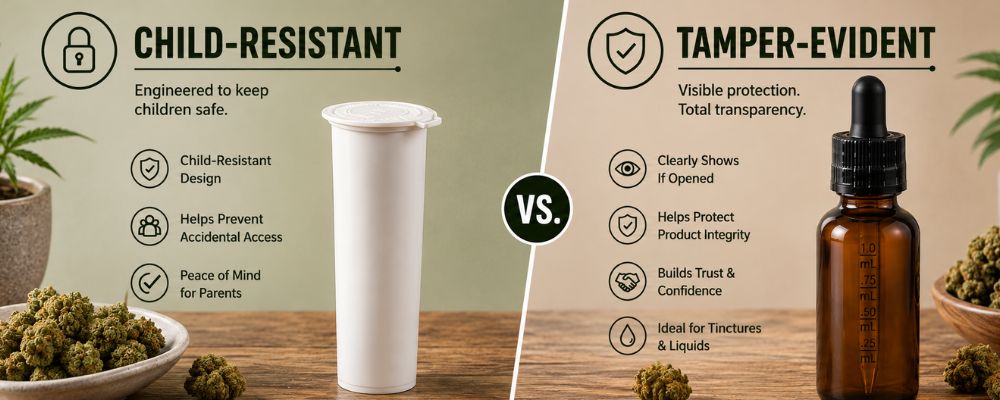
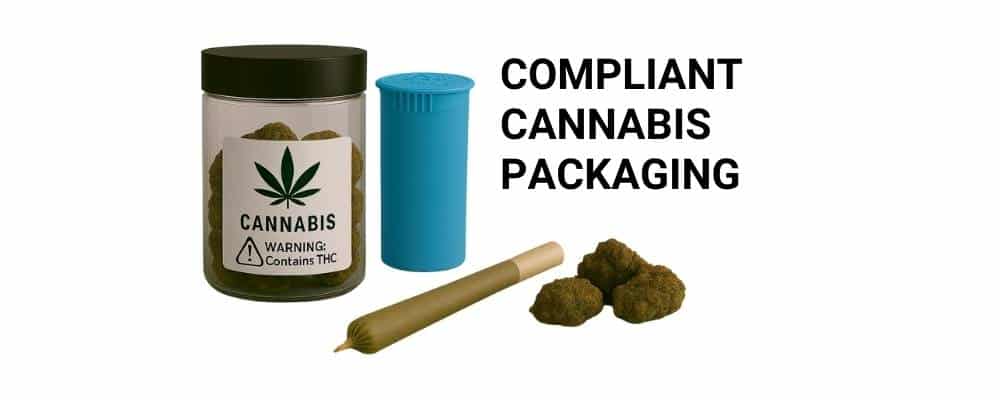
- Skipping child-resistant packaging: Most states require it. The packaging must be hard for children to open. But adults should still be able to use it.
- Leaving out mandatory warnings and labels: THC content, usage instructions, and symbols vary by state. They must be printed clearly and correctly.
- Not keeping up with legal changes: Cannabis laws change fast. What was legal last year might not be compliant today.
How to stay ahead: Sign up for your state’s cannabis updates. Talk to a lawyer. Partner with experienced vendors like Green Rush Packaging. We track compliance changes for you.
Set up strong quality control for label checking. Consider third-party testing to verify cannabinoid content.
2. Product integrity failures
Your packaging must do more than meet legal rules. It needs to protect what’s inside.
Poor packaging choices can cause problems. Your product might lose potency. The flavor might change. Or it might become unsafe.
Packaging problems to avoid:
- No moisture control: Cannabis flower and edibles need protection from humidity and dryness. This keeps them fresh longer.
- Reactive materials: Cheap plastics or films can react with terpenes and cannabinoids. This changes product flavor or strength.
- Weak seals: Air getting in shortens freshness. It also raises the risk of contamination.
The fix: Choose high-barrier, food-safe packaging made for cannabis. An expert supplier can match the right materials to your product.
Look at new solutions like humidity control packets, oxygen absorbers, or special coatings. These help keep products stable.
3. Operational inefficiencies
Packaging choices affect more than just compliance. They impact your production line, speed, and profits.
Operational problems can quietly drain time and money.
Common mistakes:
- Packaging doesn’t work with machinery: When packaging formats don’t fit your automation, you need manual fixes. This causes delays.
- Inefficient workflows: Packaging that’s too complex to fill, seal, or label slows down production.
- Poor inventory planning: Running out of packaging during production causes problems. So does ordering too much. Both hurt cash flow or create storage headaches.
The solution: Do regular packaging audits. Make formats simpler across products. Work with a supplier who knows your production model.
Use just-in-time inventory systems. This cuts storage costs while keeping enough supply. Work with packaging engineers who can design solutions that grow with your business.
4. Brand identity inconsistencies
Your packaging is often the first impression you make. Sometimes it’s the only one.
Inconsistent branding hurts trust. This is especially true in a competitive space like cannabis.
Branding mistakes to watch for:
- Inconsistent packaging across markets: Compliance rules change by state. But your brand should stay recognizable.
- Generic design: Plain or unbranded packaging is a missed chance to stand out.
- Putting compliance above looks: You don’t have to sacrifice good design to meet rules.
Smart strategy: Build a flexible design system. It should adapt to different rules without losing your brand identity.
Choose a packaging partner who delivers both compliance and creative design. Invest in premium finishes or sustainable materials. They show your brand values while staying compliant.
5. Cost management missteps
Cutting corners on packaging might save money upfront. But it often costs more later.
Budget mistakes to avoid:
- Using cheap materials: These are more likely to break. They cause compliance failures or customer complaints.
- Wrong forecasting: Ordering too little causes delays. Ordering too much ties up money and storage space.
- Too many vendors: Multiple packaging sources lead to inconsistent prices and quality. They also cause missed deadlines.
Cost-smart solution: Use one trusted partner like Green Rush Packaging. This improves consistency, forecasting, and cost efficiency.
Do a full cost analysis. Include potential risks and long-term value, not just upfront price. Consider using standard packaging across product lines when possible. This increases your buying power.
6. Cannabis packaging compliance best practices
To stay compliant, cannabis businesses need systems that reduce risk. These systems keep operations running smoothly.
Use these proven practices:
- Regular audits: Review your packaging and labeling often. Catch compliance issues before they become big problems.
- Staff training: Make sure your team knows the latest compliance rules and packaging steps.
- Strong quality control: Mistakes caught on the production line are cheaper to fix than those found by regulators or customers.
- Create a compliance calendar: Track upcoming rule changes and deadlines. Avoid last-minute rushes.
- Stay informed: Rules change a lot when you expand to new states. Don’t assume the rules are the same.
- Documentation systems: Keep detailed records of packaging specs, compliance checks, and supplier certifications.
- Emergency response plan: Create steps for addressing potential compliance issues. Include recall procedures if needed.
Minimize risk, maximize confidence
Packaging mistakes can do more than trigger fines. They can stop your operations and hurt your brand.
But with the right knowledge and partners, you can stay ahead of changing rules. You can preserve product quality and build a trusted brand.
At Green Rush Packaging, we combine 40+ years of packaging expertise with deep cannabis industry knowledge. From custom child-resistant packaging to regulatory consulting, we help cannabis businesses create packaging that works on every level.
If you want to avoid costly packaging mistakes, contact us for a personalized consultation. You can also explore our tailored cannabis packaging solutions.
FREE DOWNLOAD: Cannabis packaging compliance checklist
Our comprehensive checklist helps you identify and address critical compliance gaps before they become costly problems. You can use this tool to:
- Verify regulatory compliance across all operating states
- Secure product integrity and quality protection
- Optimize operational efficiency and cost management
- Maintain brand consistency while meeting legal requirements