


Your cannabis packaging investment doesn’t have to drain your budget every quarter. With four decades in the packaging game, we’ve seen countless cannabis brands throw money away on replaceable containers when a few smart cannabis storage moves could’ve saved thousands.
Table of Contents:
- The real cost of poor cannabis storage
- Cannabis glass jar storage
- Cannabis plastic container care
- Child-resistant closure maintenance
- Cannabis inventory rotation strategies
- Environmental optimization for proper storage
- Cost-benefit analysis
- Quick storage reference checklist
- Choosing the right jars for your cannabis storage system
- Making it work
- Choosing the right jars for long-term storage success
- Frequently asked questions about cannabis storage
The real cost of poor cannabis storage
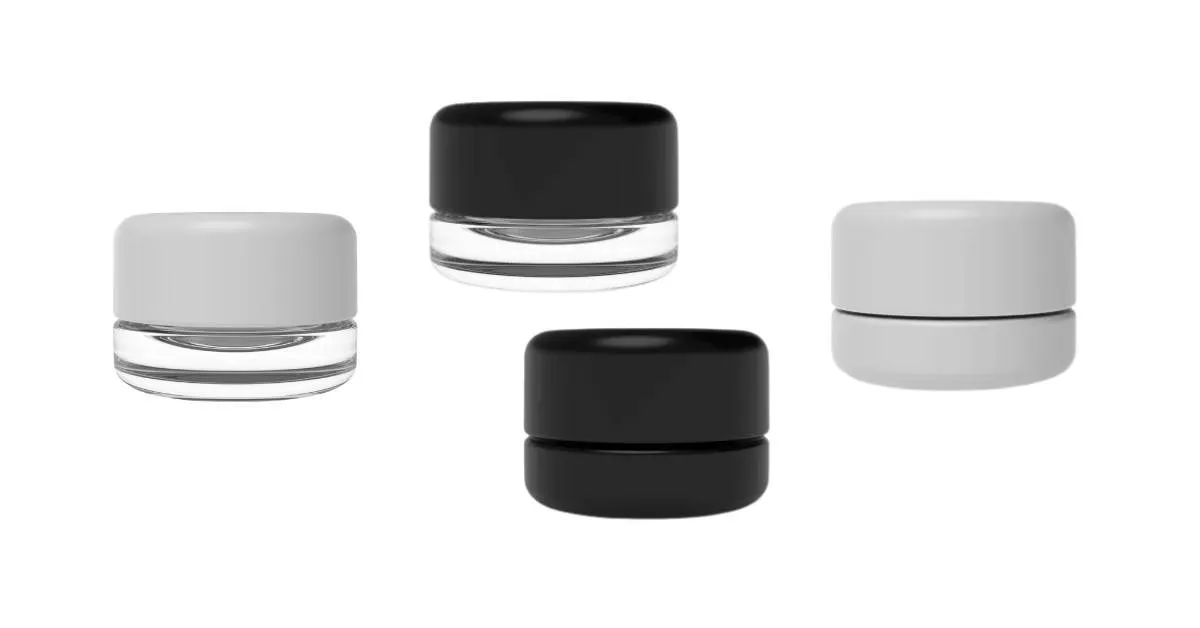
Let’s talk numbers. A case of premium glass jars runs about $85-180 depending on size and style. For example, our 1oz child-resistant glass jars start at $85.49 per case, while 2oz matte finish options run $124.99, and some specialty 2oz jars can reach $148-$176 before discounts.
Lose 15% to poor storage practices, and you’ve just tossed $13-27 in the trash on a single case. Scale that across your cannabis operation, and we’re talking serious money. Poor humidity control can warp plastic containers. Temperature swings crack glass. Improper stacking crushes lids and compromises child-resistant closures.
Here’s what actually works for cannabis storage.
Cannabis glass jar storage: Keep them perfect
Temperature control matters
Store glass cannabis containers between 60-75°F. Temperature is generally controlled in the range of 15°C-25°C for manufacturing and storage facilities, according to pharmaceutical packaging standards. Extreme temperature changes cause expansion and contraction that leads to stress fractures. Your cannabis warehouse might swing 40 degrees between day and night, and that’s a problem.
Humidity sweet spot
Keep relative humidity between 45-55% for optimal cannabis storage. There may be values of up to 45% relative humidity provided that the average value does not exceed 40% relative humidity per USP packaging guidelines. Too dry, and labels peel. Too wet, and you get condensation issues that can affect cannabis product quality later.
Proper stacking techniques
- Never stack more than 6 cases high for standard glass jars
- Use cardboard dividers between layers
- Keep heavier jars on bottom shelves
- Leave 2 inches between stacks for air circulation
Handling protocol
Train your team to lift cases from the bottom, not the sides. Cardboard handles tear, and dropped cases mean shattered cannabis packaging inventory. One person can safely handle a 12-jar case. Anything larger needs two people.
Cannabis plastic container care
Plastic containers need different treatment. They’re more forgiving with temperature but pickier about other factors:
- UV protection: Direct sunlight degrades plastic over time, making containers brittle. Store in covered areas or use UV-filtering warehouse film on windows. Light exposure can reduce cannabis potency by up to 40% over time, so protect all cannabis containers from direct sunlight and fluorescent lighting when possible.
- Chemical considerations: Keep cannabis plastic containers away from cleaning supplies and solvents. Cross-contamination isn’t worth the risk, and certain chemicals can weaken plastic integrity.
- Weight distribution: Cannabis plastic containers can handle taller stacks — up to 8 cases — but watch for deformation. If bottom containers start bowing outward, you’ve gone too far.
Child-resistant closure maintenance for cannabis storage
CR closures are your cannabis compliance lifeline. Child-resistant packaging must meet performance specifications outlined in 16 CFR §1700.15, as mandated by all states with legal cannabis programs. Treat them right.
Storage position
Keep closures in their original orientation. Flipping them upside down can stress the spring mechanism over time.
Moisture control
Humidity affects the threading on both plastic and metal closures. Under USP guidelines, humidity for storage must be kept below 60%. Corroded threads mean failed closure tests and compliance headaches.
Regular inspection
Check a sample from each lot monthly. Packages must be tested and certified as meeting the PPPA standards to qualify as child-resistant. Look for:
- Smooth threading action
- Proper spring tension
- No visible cracks or deformation
- Clean, unmarked surfaces
Tamper-evident protection
Consider adding pressure-sensitive seals to your child-resistant cannabis jars for an extra layer of security and freshness protection. These seals provide tamper-evident assurance and help maintain cannabis product integrity during storage. They’re compatible with 1oz to 4oz child-resistant jars and leave unmistakable evidence if compromised.
Cannabis inventory rotation strategies
First In, First Out applies to cannabis packaging too. Here’s how to make it work:
Dating system
Mark receiving dates on cannabis packaging cases with permanent marker. Simple but effective.
Storage layout
Design your cannabis storage area so older inventory stays accessible. Don’t bury it behind newer shipments.
Monthly audits
Walk your storage area once a month. Look for damaged cases, environmental issues, or inventory that’s been sitting too long.
Environmental optimization for proper storage
Air circulation
Stagnant air creates hot spots and humidity pockets in cannabis storage areas. Industrial fans cost $200 but can prevent thousands in damaged cannabis inventory.
Floor protection
Pallets or dunnage keep cannabis containers off concrete floors. Concrete wicks moisture and creates temperature variations that damage cannabis packaging.
Light control
Protect cannabis containers from direct sunlight and harsh fluorescent lighting. UV rays can significantly degrade both packaging materials and cannabis product quality. Even ambient light exposure over time can affect cannabis potency, so store in areas with controlled lighting or use UV-filtering covers.
Pest control
Rodents love cardboard. Rodents can chew through boxes, leading to substantial cannabis product losses and contamination concerns. Regular pest control protects both your cannabis packaging and your reputation. Focus on sealing entry points. Check doors, windows, and walls for gaps and cracks, as rodents can squeeze through tiny openings.
Cost-benefit analysis: Storage vs. replacement
Let’s break down real numbers for cannabis storage:
Proper storage investment:
- Climate control improvements: $2,000-5,000
- Storage equipment (pallets, fans, thermometers): $1,500
- Staff training time: $500
- Total: $4,000-7,000
Poor storage costs (Annual):
- 10% inventory loss on $50,000 cannabis packaging spend: $5,000
- Rush replacement orders (20% premium): $2,000
- Labor for damaged goods handling: $1,500
- Total: $8,500
The math is clear. Proper storage pays for itself in the first year and keeps saving money.
Quick storage reference checklist
Daily:
- Check temperature and humidity logs in storage areas
- Inspect high-traffic storage areas
- Report any damaged cases immediately
Weekly:
- Rotate cannabis packaging stock using FIFO method
- Keep the storage areas clean
- Test sample closures from different lots
Monthly:
- Full cannabis inventory audit
- Equipment maintenance check
- Review and update storage procedures
Choosing the right jars for your cannabis storage system
Now that you know how to store your cannabis packaging properly, the next critical decision is selecting the right jar sizes for your operation. Different products require different container sizes, and choosing wisely upfront can save you money and storage space while improving your customer experience.
Whether you’re packaging flower, pre rolls, edibles, or concentrates, jar size affects everything from shelf appeal to storage efficiency. Our comprehensive guide breaks down the most popular cannabis jar sizes, their ideal uses, and how to match container capacity with your specific products.
Read our complete guide to cannabis jar sizes to find the perfect fit for your brand.
Making it work for your cannabis operation
Every cannabis facility is different. A small dispensary operation needs different storage options than a major cultivation facility. But the principles stay the same: control your environment, handle with care, and rotate your cannabis packaging stock.
We’ve worked with cannabis operations from 500-square-foot storage rooms to 50,000-square-foot warehouses. The cannabis brands that treat their packaging as an investment — not just a cost center — consistently see better margins and fewer headaches.
Your cannabis packaging budget doesn’t have to be a recurring expense that keeps growing. With the right cannabis storage practices, those jars you bought last quarter can serve your cannabis operation for months longer than you expected. And when you do need to reorder, you’re doing it because you’re growing, not because you’re replacing damaged inventory.
Choosing the right jars for long-term storage success
Of course, proper storage starts with quality containers. Different products require different jar sizes, and choosing wisely upfront maximizes both your storage efficiency and product protection. Whether you’re packaging flower, pre rolls, edibles or concentrates, the right container makes all the difference.
Browse our premium glass jars. These quality containers are built to last and designed to protect your cannabis investment.
That’s the difference between working with suppliers who just ship boxes and partnering with people who understand your cannabis business. We’re here to help you succeed.
Frequently asked questions about cannabis storage
How long can I store empty cannabis jars before they need to be replaced?
With proper storage conditions (60-75°F, 45-55% humidity, protected from UV light), empty glass jars can last for years without degradation. The key is protecting them from temperature swings, moisture damage, and physical stress from improper stacking. Regular monthly inspections help catch any issues before they become problems.
What’s the biggest mistake cannabis brands make with packaging storage?
Stacking cases too high without proper support. We see this constantly. Brands stack 10+ cases of glass jars to save floor space, then wonder why they’re dealing with cracked jars and damaged closures. Stick to 6 cases maximum for glass, 8 for plastic and always use cardboard dividers between layers.
Do child-resistant closures have an expiration date?
While CR closures don’t technically expire, their performance can degrade over time, especially in poor storage conditions. High humidity (above 60%) can corrode threading, and extreme temperatures can affect spring mechanisms. We recommend using closures within 2-3 years of purchase and always testing samples monthly to ensure they still meet PPPA standards.
Can I store different types of cannabis packaging together?
Yes, but be strategic about it. Keep glass jars separate from plastic containers when possible, because they have different environmental needs. Never store packaging near cleaning supplies or solvents, as chemical cross-contamination can compromise product safety. Group similar sizes together for easier inventory rotation and access.
What temperature fluctuations can glass jars handle?
Glass jars should be stored between 60-75°F with minimal fluctuation. Temperature swings of more than 15-20 degrees in a short period cause expansion and contraction that leads to stress fractures. If your warehouse swings 40 degrees between day and night, you need climate control improvements to protect your investment.
How do I know if my storage humidity is damaging my packaging?
Watch for these warning signs: peeling labels (too dry), condensation inside stacked cases (too wet), corroded closure threading (too wet), or warping plastic containers (humidity extremes). Invest in a hygrometer to monitor levels daily; they cost under $50 and can save you thousands in damaged inventory.
Should I keep packaging in original cardboard cases or transfer to bins?
Keep packaging in original cases whenever possible. The cardboard provides cushioning, the cases are designed for optimal stacking, and you maintain lot tracking for quality control. If you must transfer, use sturdy plastic bins with dividers and clearly label them with receiving dates and lot numbers.